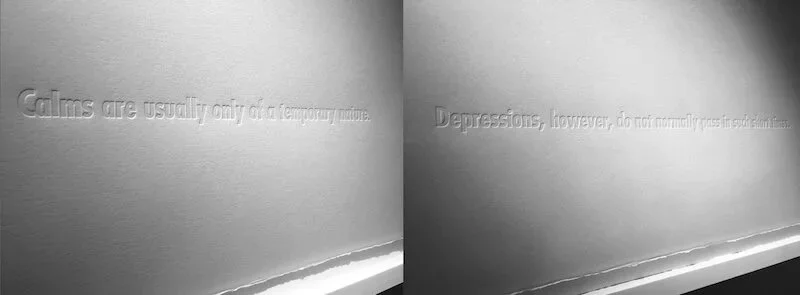
CARLY BUTLER
how to soar with the moon
and drown in the sea
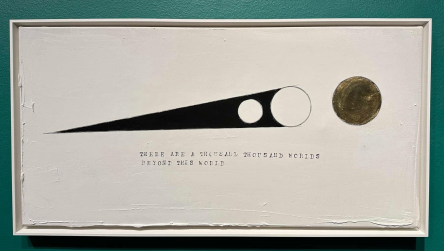
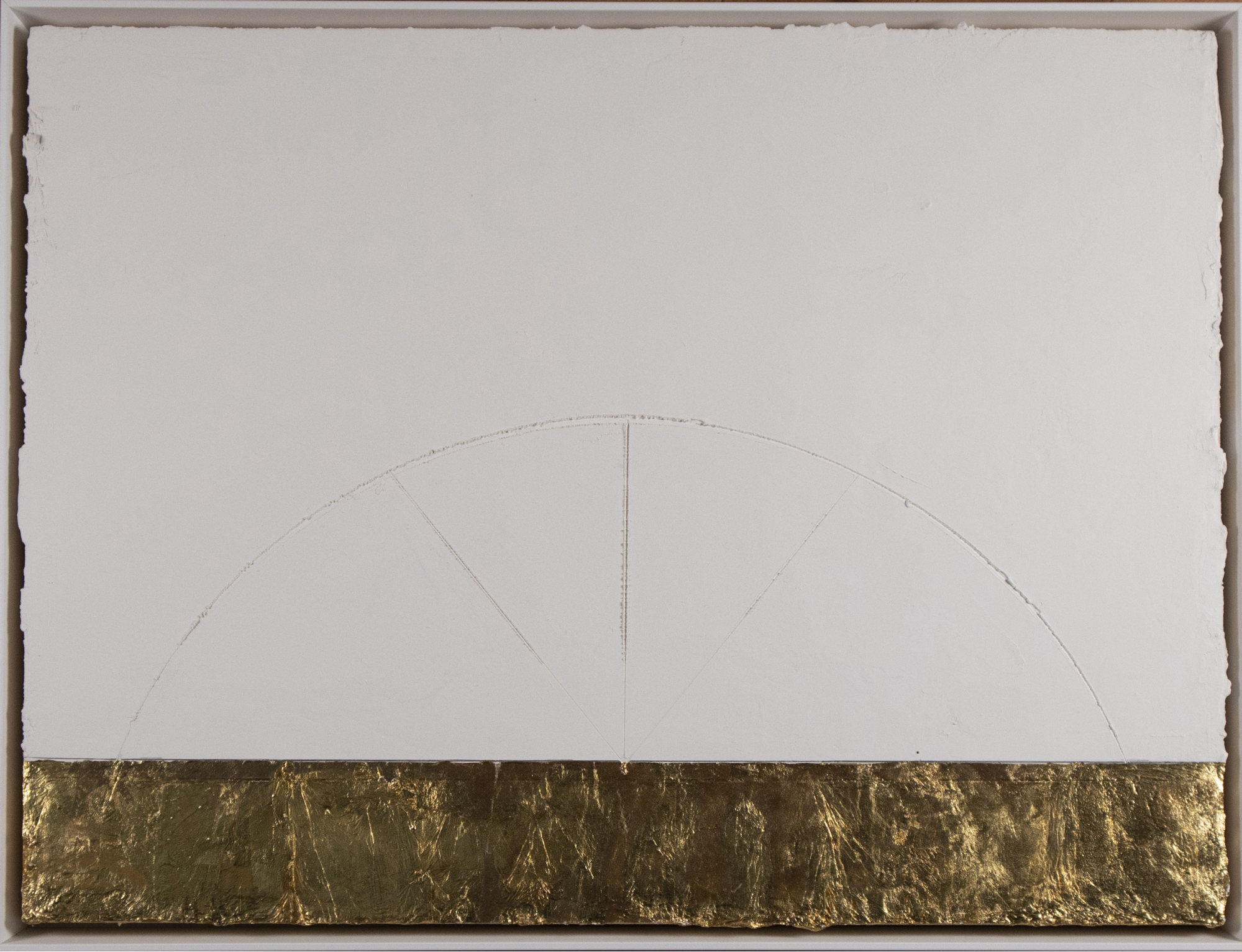
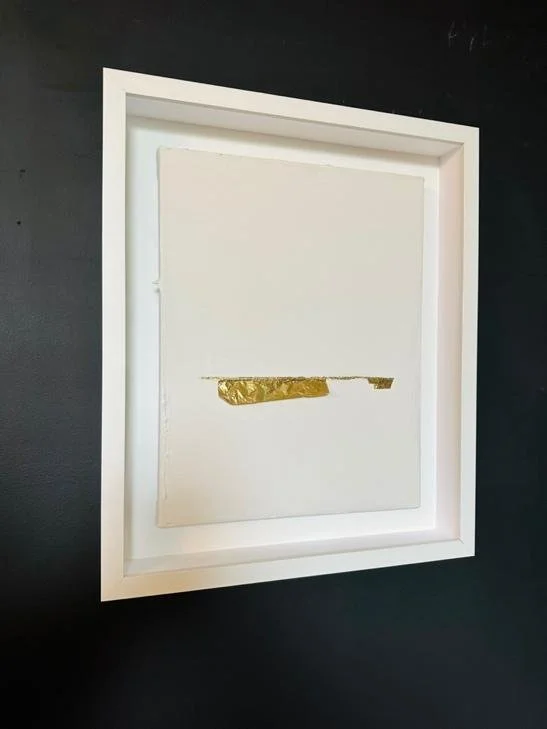
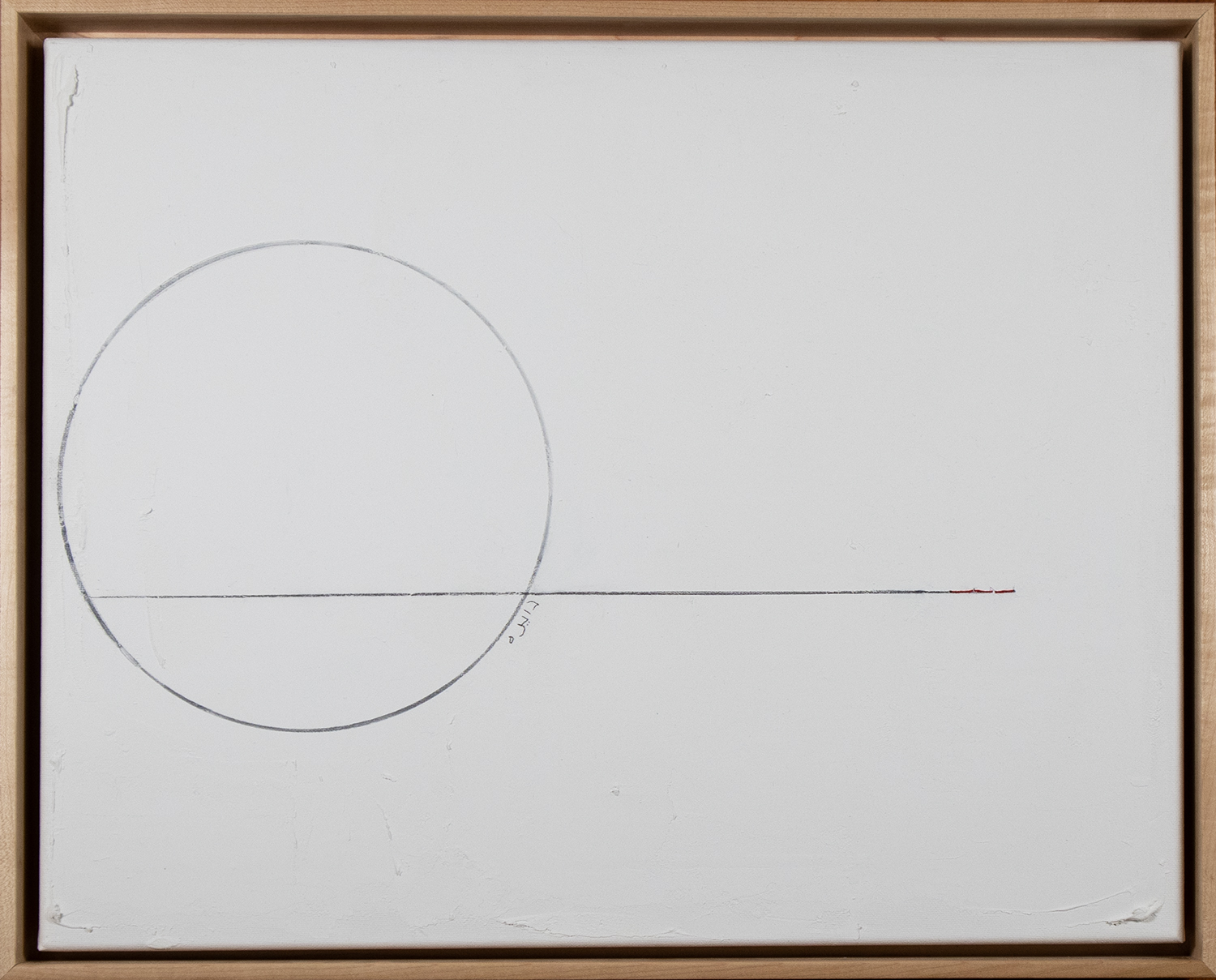
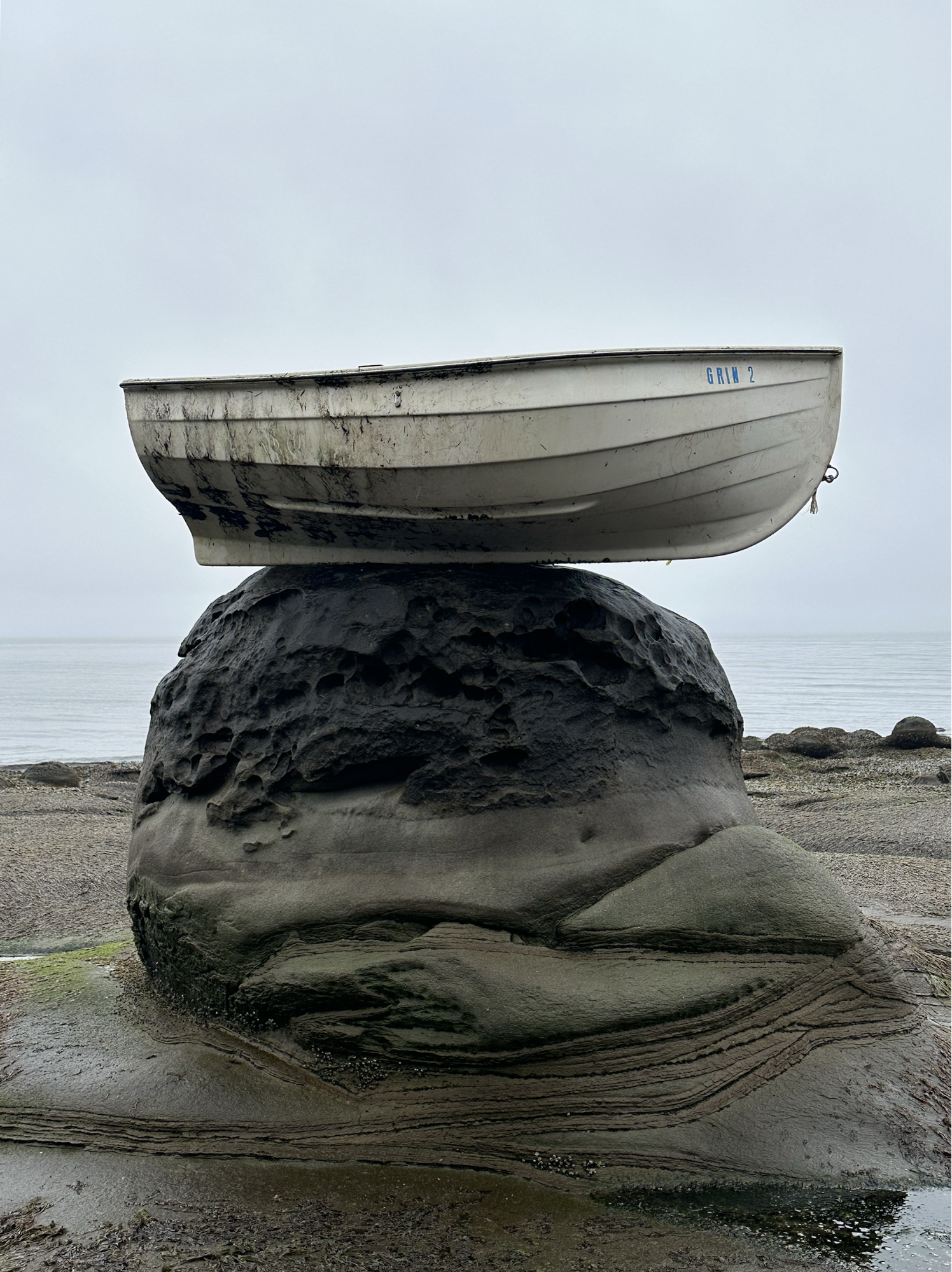
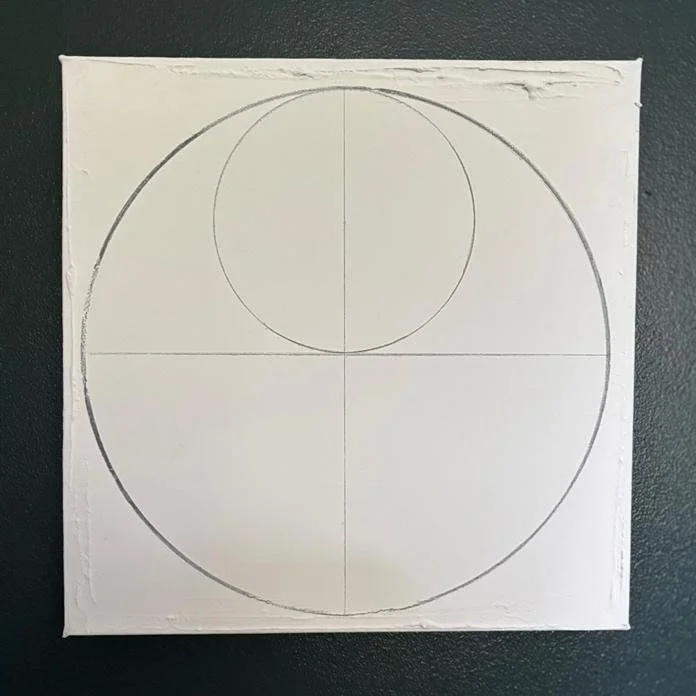
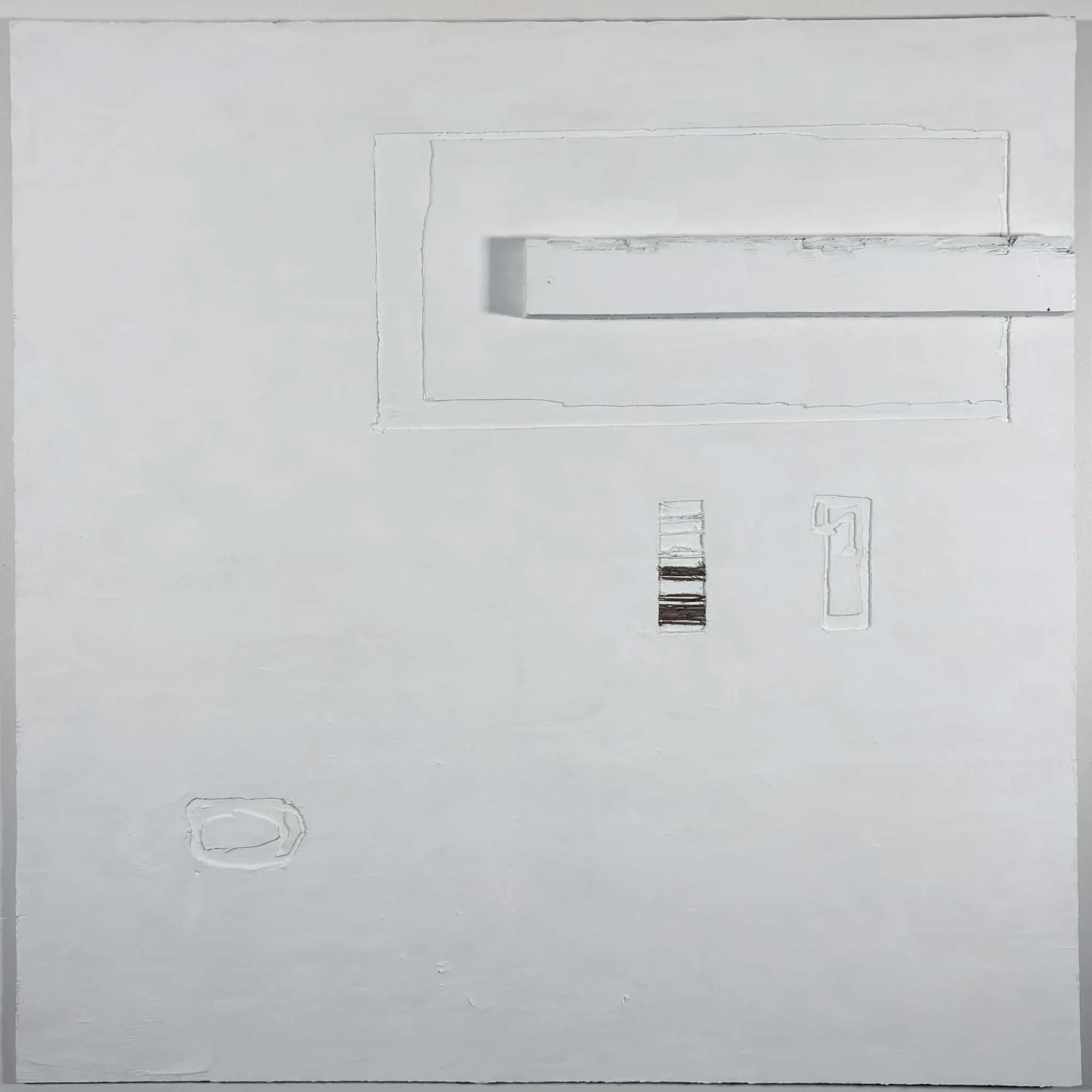
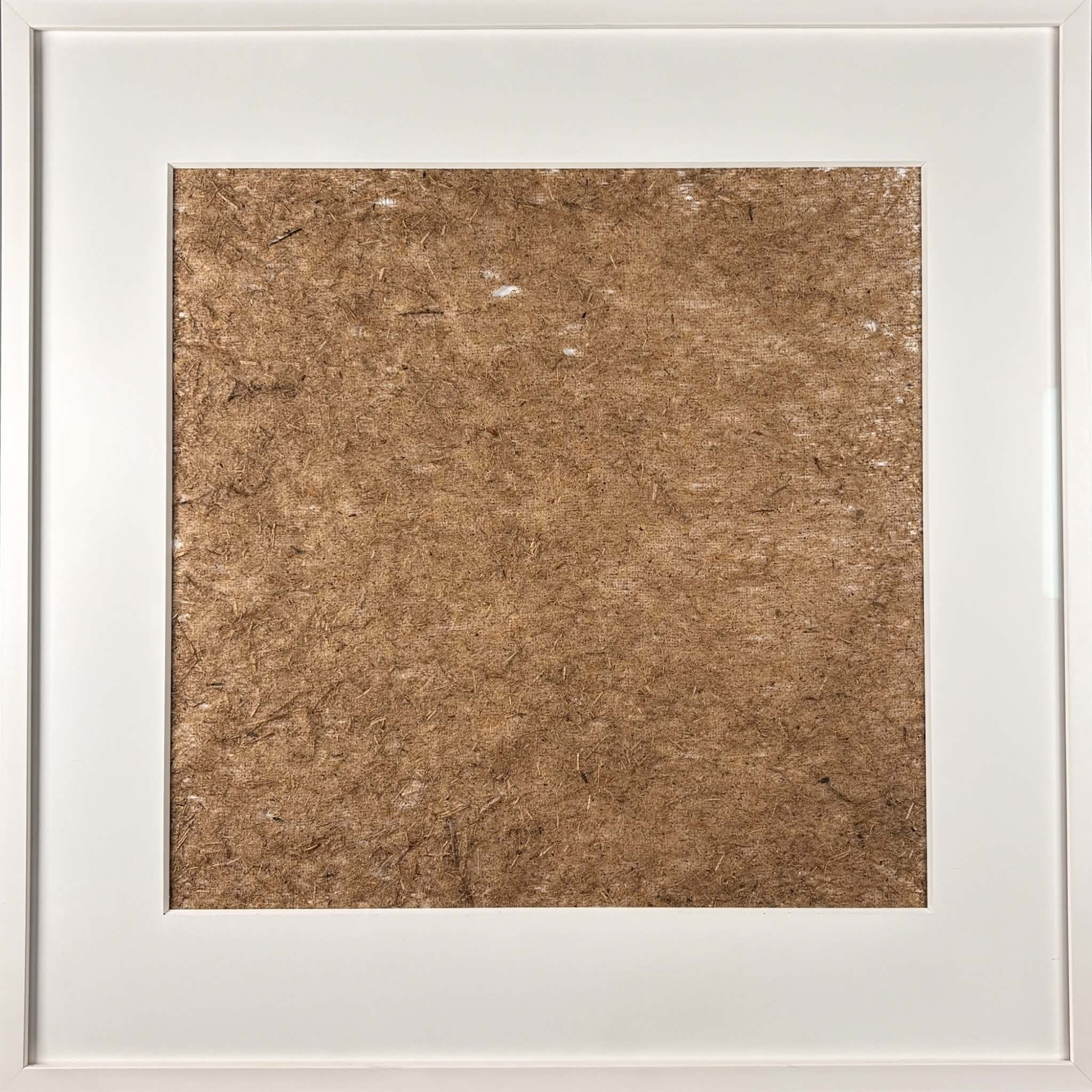
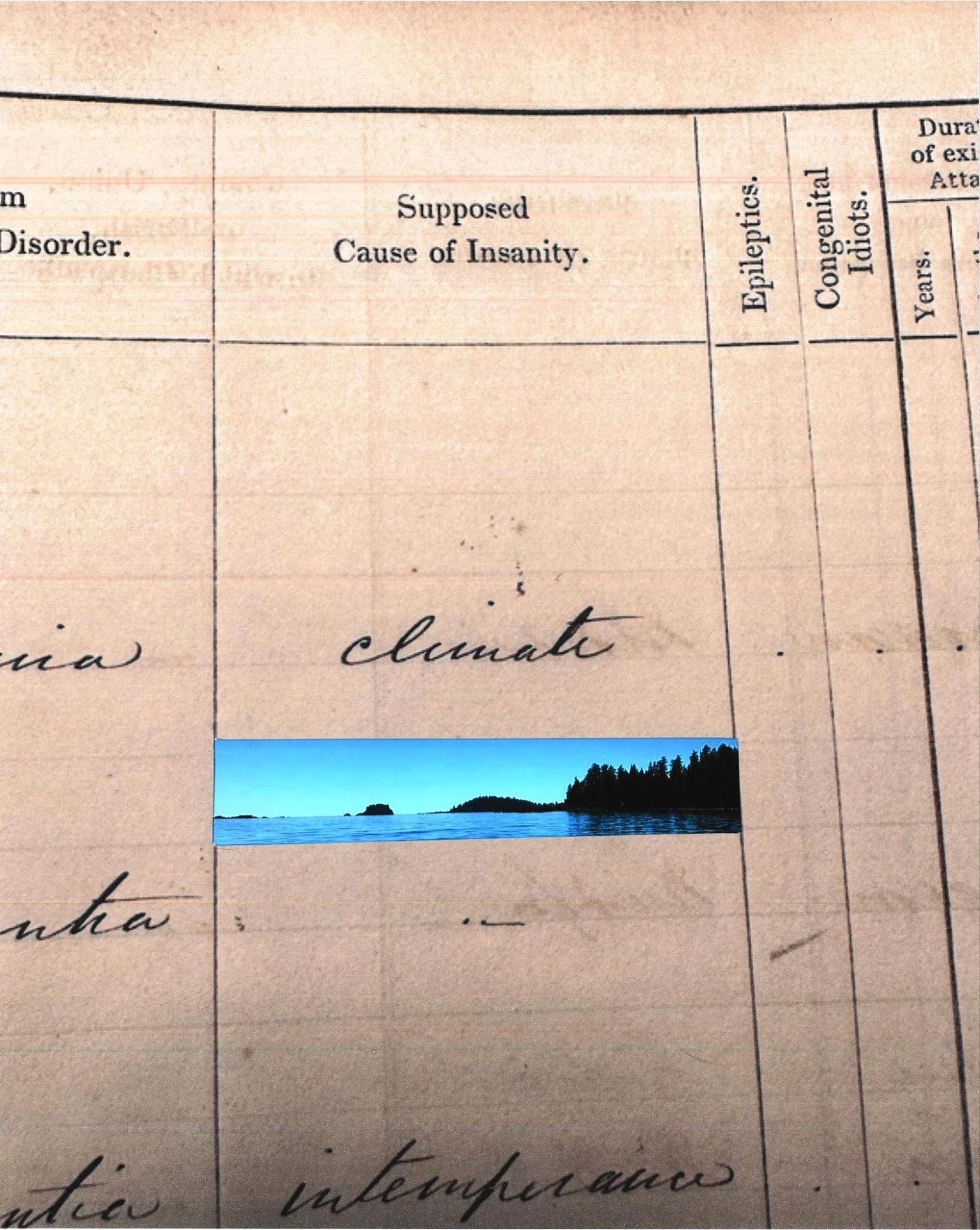
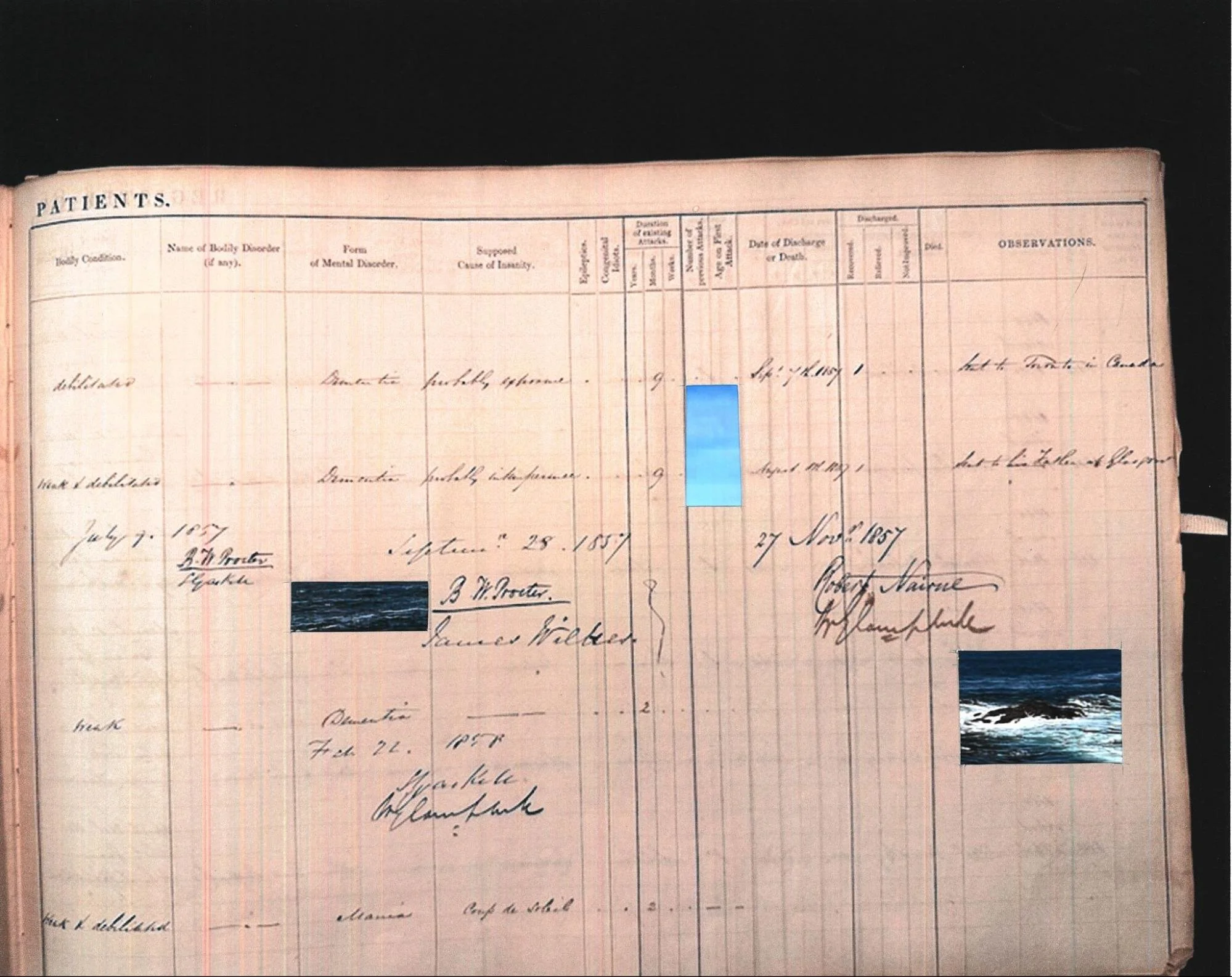
Carly Butler is an interdisciplinary artist who lives and works on Vancouver Island in Ucluelet on the traditional territory of the Yuułuʔiłʔatḥ. Her practice reinterprets nautical knowledge around navigation and survival to reflect on longing, regret, and nostalgia.
Carly has an MA in Art History, studied fine art at Central Saint Martins in London, and completed a BFA at the Nova Scotia College of Art and Design. She was a finalist for the RBC Canadian Painting Competition in 2014. Her work has been supported by Arts Nova Scotia and the BC Arts Council, as well as the Canada Council for the Arts. Carly has recently exhibited at Campbell River Art Gallery, Hatch Art Gallery at the University of British Columbia, Queens Museum, New York, and the Today Art Museum in Beijing.
Artist Statement
In 1968, French solo sailor Bernard Moitessier abandoned his chance to win the first solo non-stop round the world race – sending a message by slingshot to a passing freighter explaining that he was continuing around again ‘to save my soul.’ He turned around in the middle of the Atlantic, not interested in chasing fame or prizes. His actions and writings, along with those of many other solo sailors, were hugely influential to me growing up, these sailors and explorers the heroes of my childhood.
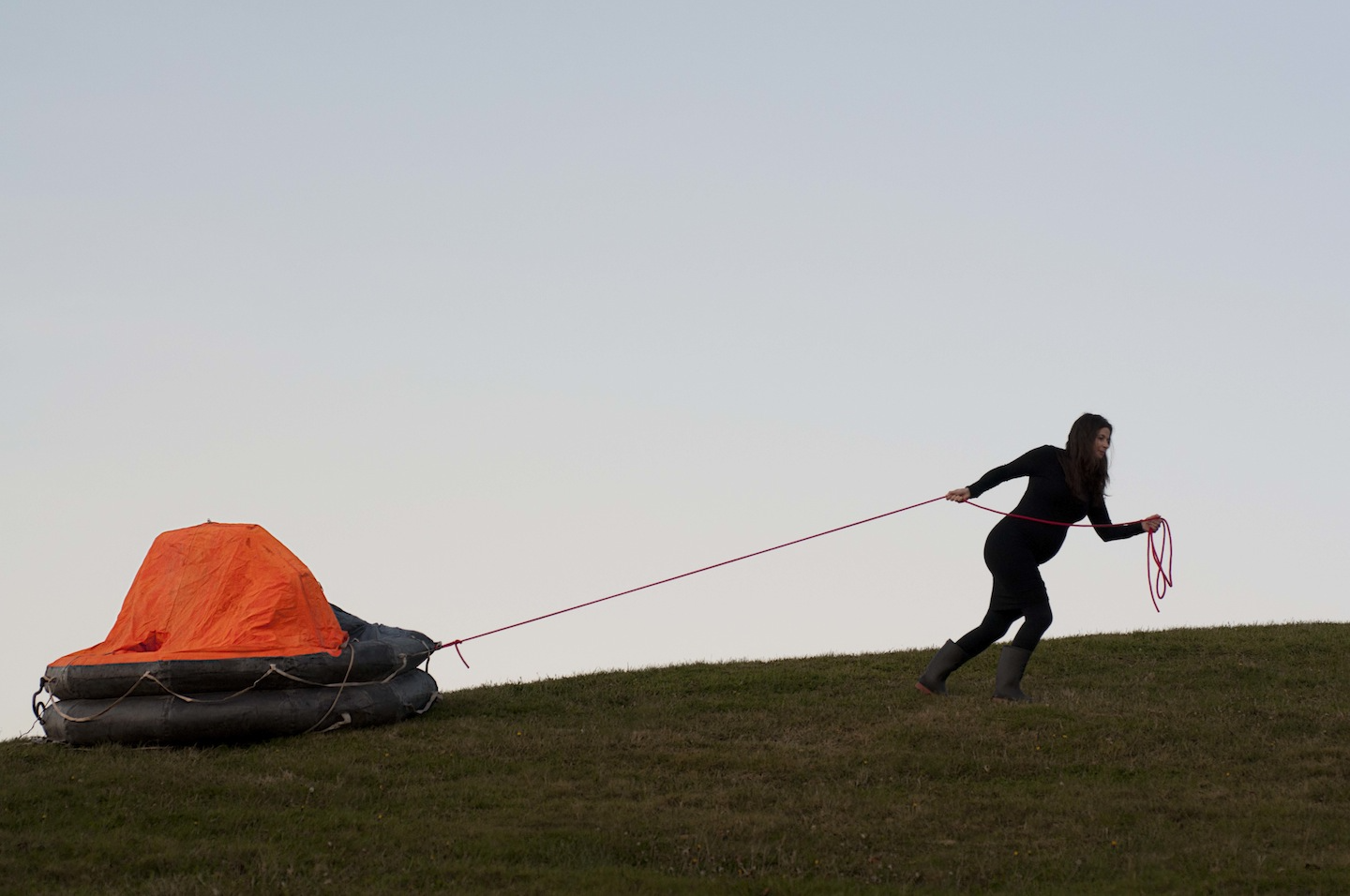
Growing up in Sooke as the oldest of four and sailing with my family on the west coast of course contributed to this obsession, and as the eldest, my interest became conflated with a sense of responsibility for survival at sea – devouring every book about shipwrecks and planning our life raft procedures in the event that we too had to make sextants from pencils and eat sea turtles. When I was 19 and at university in the UK my parents finally found ‘the boat’ they’d spent my childhood looking for. The house was sold and they left on the adventure they’d been planning my entire life. I did not go with them.
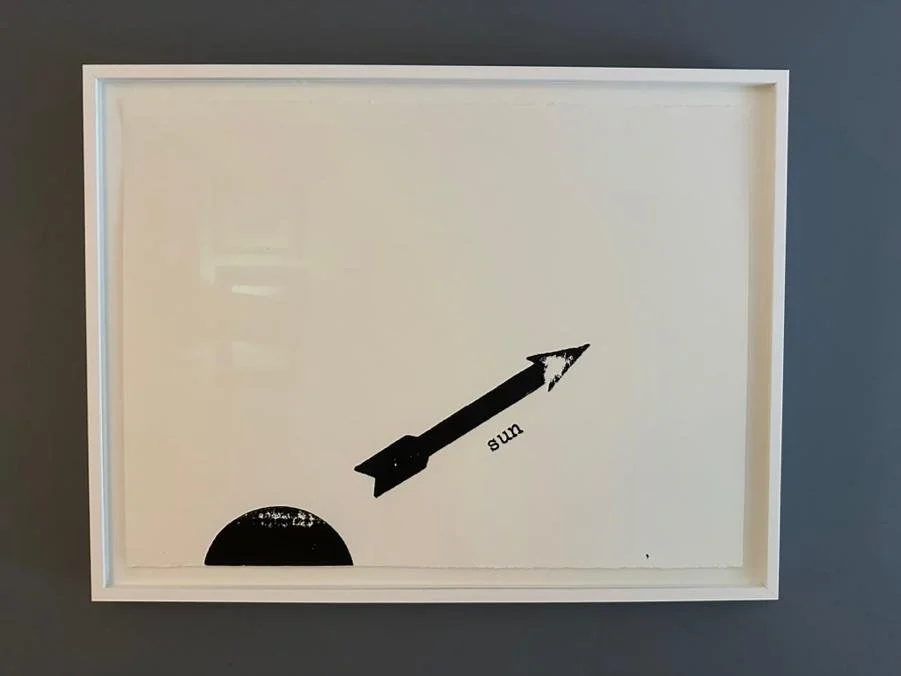
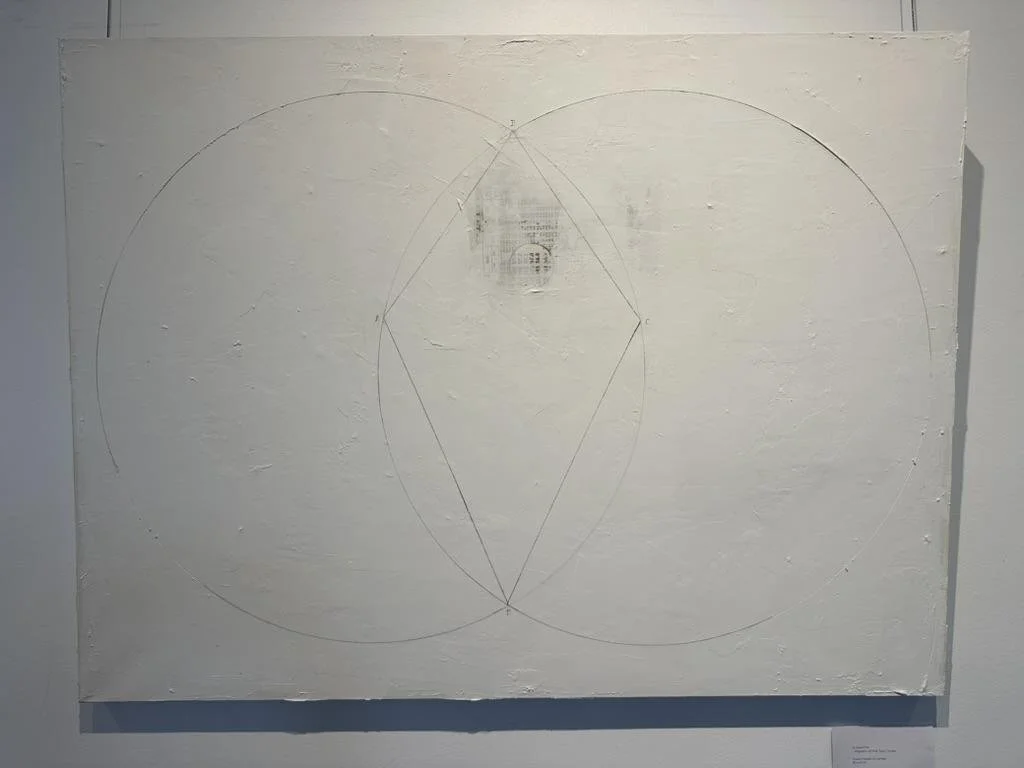
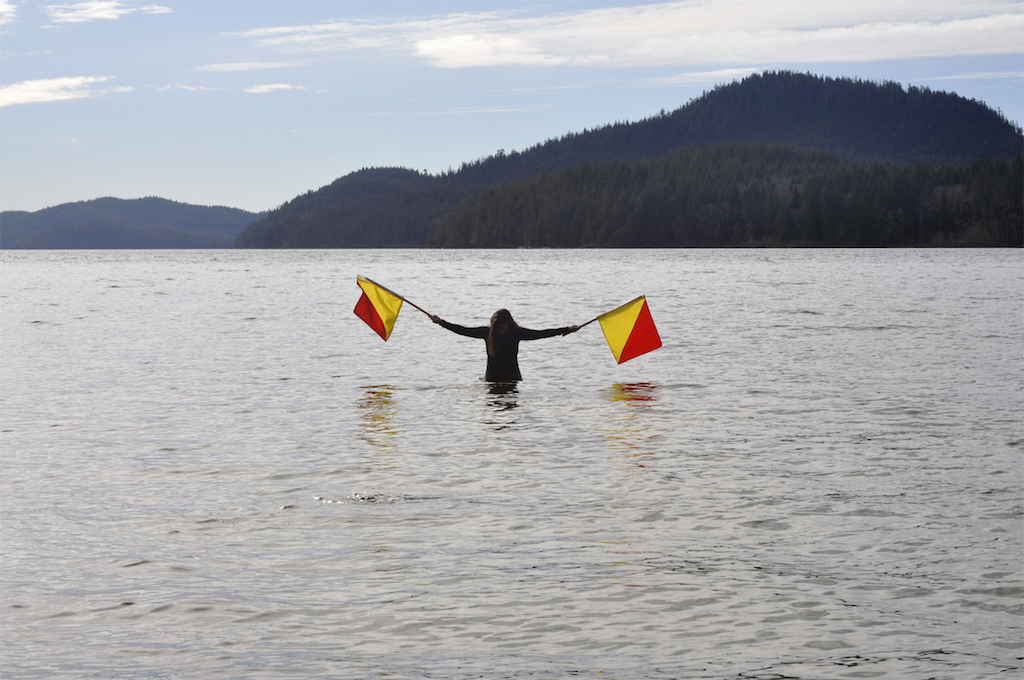
Not surprisingly, the sea, navigation, and survival have been the ongoing and constant subject of my art practice. I even completed a course in celestial navigation in 2018, learning how to use the sun, stars and other celestial bodies to calculate where I am on earth, and I have delved into meteorology, ancient astronomy, morse code, and all manner of texts on everything from merchant ship stability to admiralty manuals for the British Navy.
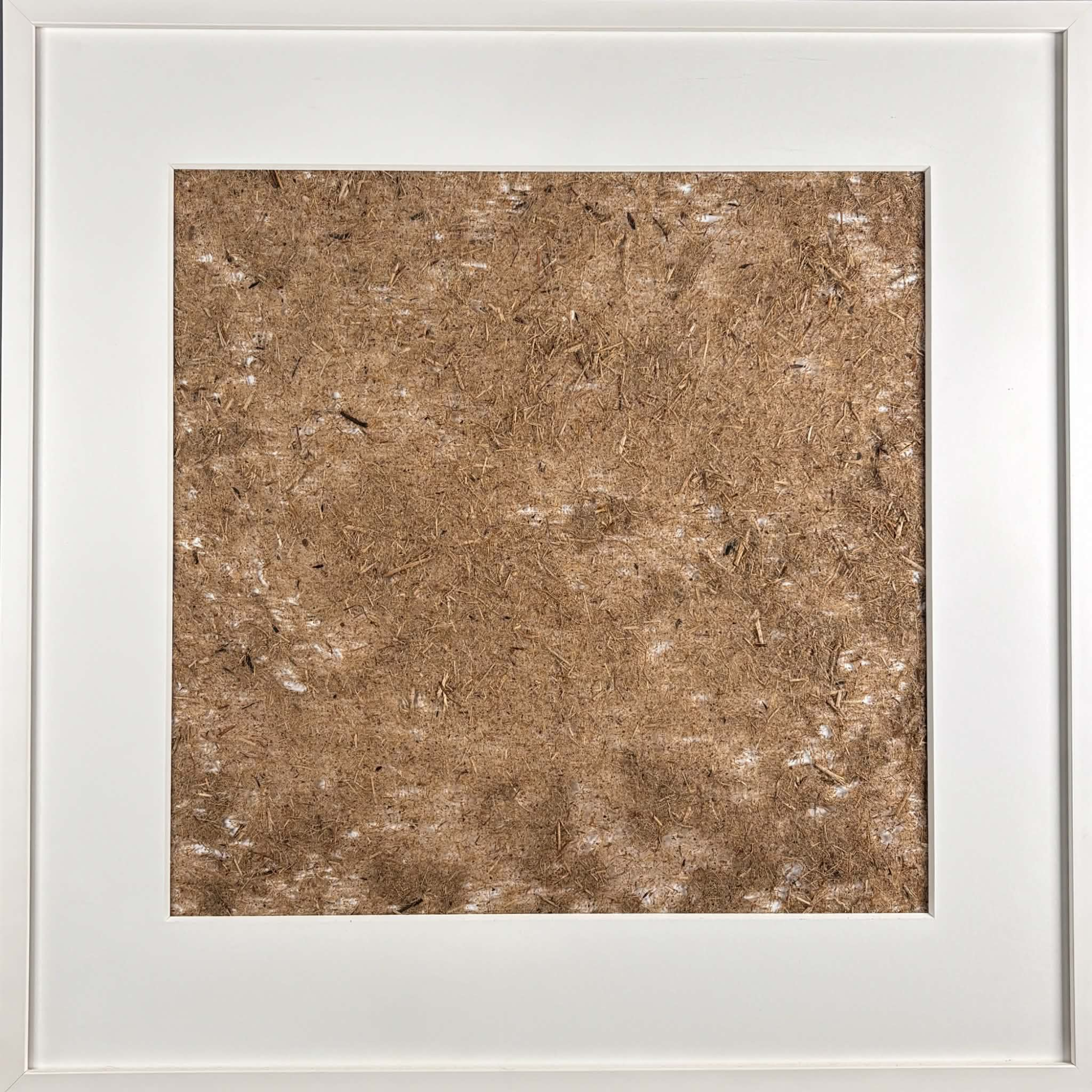
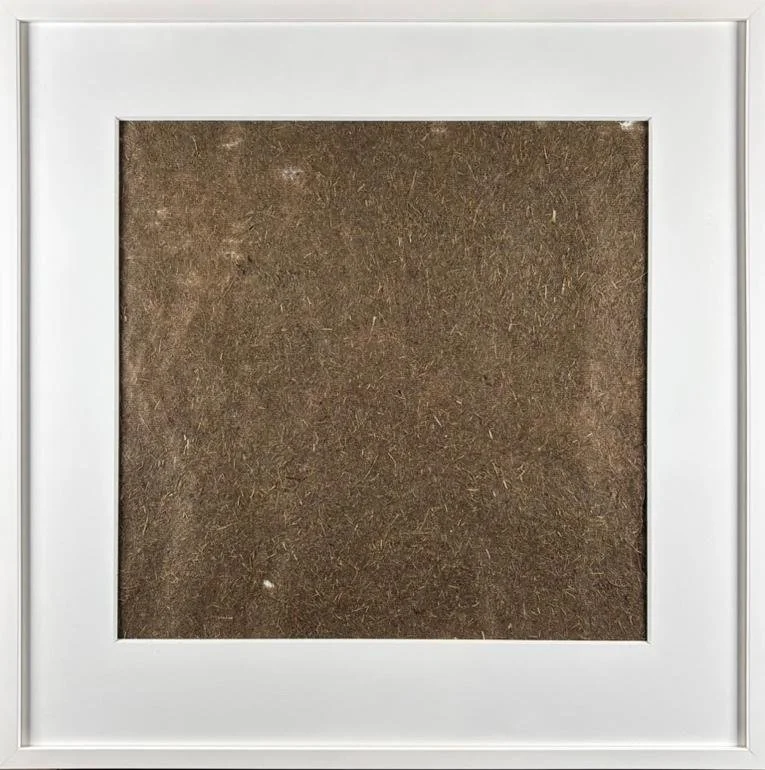
Recently, however, I have begun to question the romanticism associated with travel and exploration, and the problematic narrative many of my past heroes represent. My work has become more engaged with the idea of personal location and how one place may stand in for the adventurous journey you are unable to take, as well as the damage often done in the name of said adventures (with the story of Scotch Broom my main example). As an anonymous sailor once wrote of navigation, ‘It both is what it is, and points beyond itself.’ There are ways to engage with the world through an understanding of both the stars and the sea that can reframe how you look at space, language, and time, all of which are ways to think and travel great distances without actually going anywhere.
Finally, philosopher Hans Blumenberg’s work ‘Shipwreck with Spectator’ has recently been influential as a way of pulling together all these threads into an understanding of how the metaphor of the sea helps us ‘grasp the movement of our existence’:
Amid the shipwreck of scientific theories, the erstwhile spectator is reduced to clinging to a plank, but this bit of debris is precious to him, for it represents his best hope of rebuilding some frail raft that can carry him, if not safely into harbour, at least further on his endless voyage. Yet the prospect of shipwreck looms ever on the horizon, and pursuing the project of human self-assertion in our present situation means being prepared to abandon whatever patched up craft is currently bearing us across the turbulent seas of existence, in order to leap into the waves and begin, again and again, the task of constructing a new vessel from the materials at hand – including, perhaps, the debris from earlier shipwrecks.
For Sales Inquiries please call 250-752-6133 or email info@theoldschoolhouse.org